$20.00
1
Your cart is empty
Subtotal
We will hold your cart for 15:00.
Buy more, save more
Coupon discount
Shipping
Add 2 more items to unlock your free mystery gift.
Complimentary item.
Total
$20.00
We will hold your cart for 15:00.
It's 2 AM, the power just blinked out, and your phone is at 15%. The storm knocked out the grid, and you have no idea when it'll be back. In that moment, your phone is your only connection to the outside world—your flashlight, your news source, your way to call for help. But it's dying.
Keeping your phone charged during an outage isn't about hoarding gadgets—it's about having a plan before the lights go out. Whether you're in a city apartment or a remote cabin, there's a simple, portable solution that fits your budget and your needs. In this guide, we break down your options, from the $20 power bank in your drawer to a solar generator that can power your whole house. We'll tell you exactly what you need to keep your phone alive, and what to skip.
When the lights flicker, the first thing you need is a bank of stored energy you can grab in the dark. Power banks are the most affordable, simplest insurance against a dead phone. But not all are created equal. For an outage, you want one that holds enough juice to recharge your phone at least twice, and ideally one that can charge itself from multiple sources.
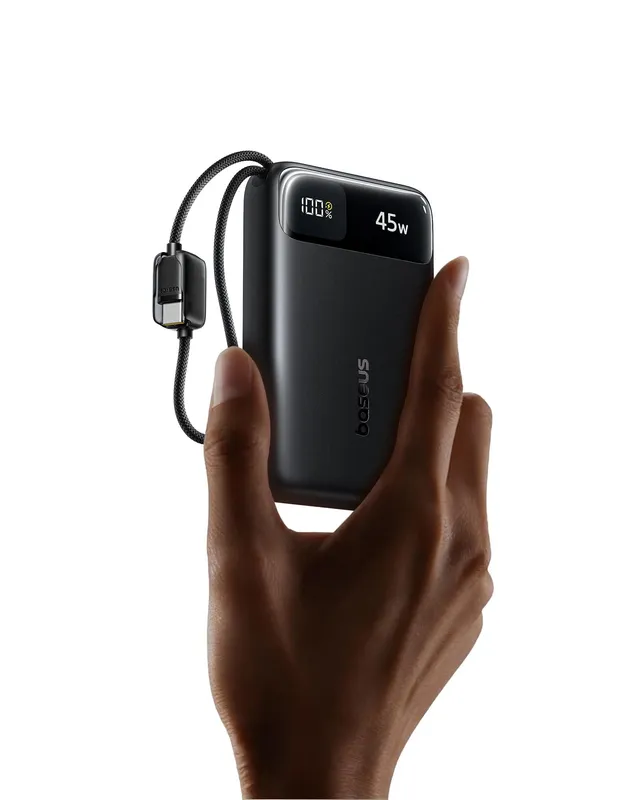
For most people, a 20,000mAh capacity is the sweet spot—it'll give your phone roughly three full charges. The Baseus 20000mAh Compact Portable Charger is a standout because it has two built-in USB-C cables, meaning you don't have to fumble for a cable in an emergency. It's also compact enough to keep in a go-bag.
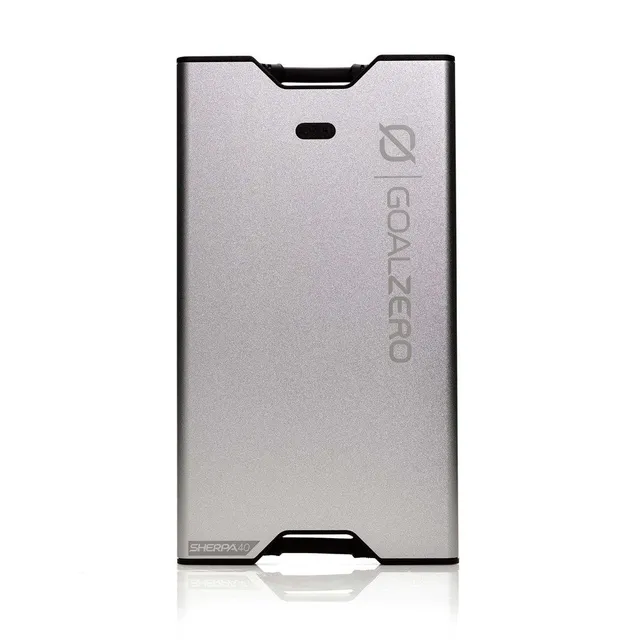
If you need something lighter, the Goal Zero Sherpa 40 is a rugged 12,000mAh option that can also recharge via solar panels, making it a versatile companion for longer outages.
If a blackout drags on for days, your power bank will eventually run flat. That's when you need to pull energy from the sun. Solar chargers are no longer slow and bulky—modern panels can top up a power bank in a few hours of direct sunlight.
You have two approaches: a small foldable panel designed for phones, or a full solar generator kit that can charge your devices and more. For a phone-focused setup, a 100W panel paired with a power station is a powerful combination. The Goal Zero Yeti 1500 + Boulder 100 BC is a complete solar generator that can charge phones dozens of times, plus power a fridge or a CPAP machine if needed.
But you don't need to dive into the deep end right away. Start with a portable power station like the Goal Zero Yeti 1000, which can be charged from a wall outlet before an outage and later from solar panels.
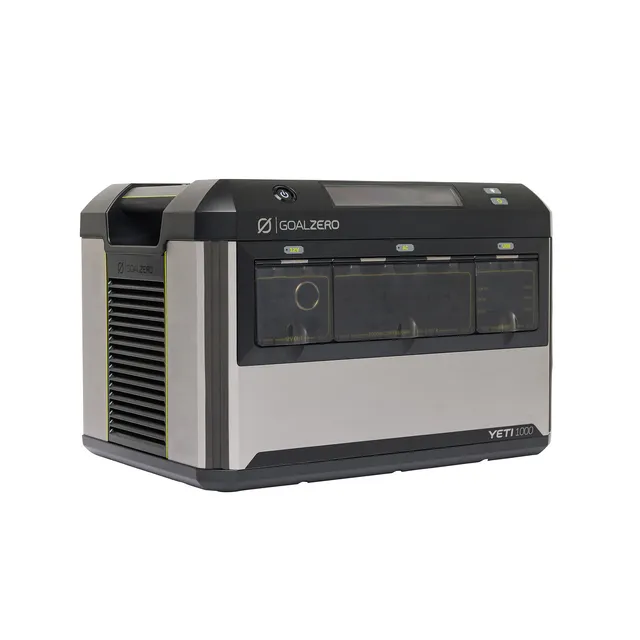
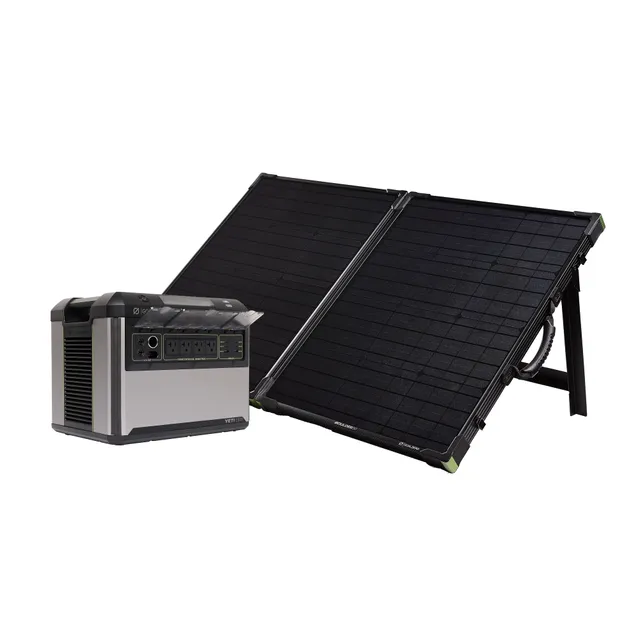
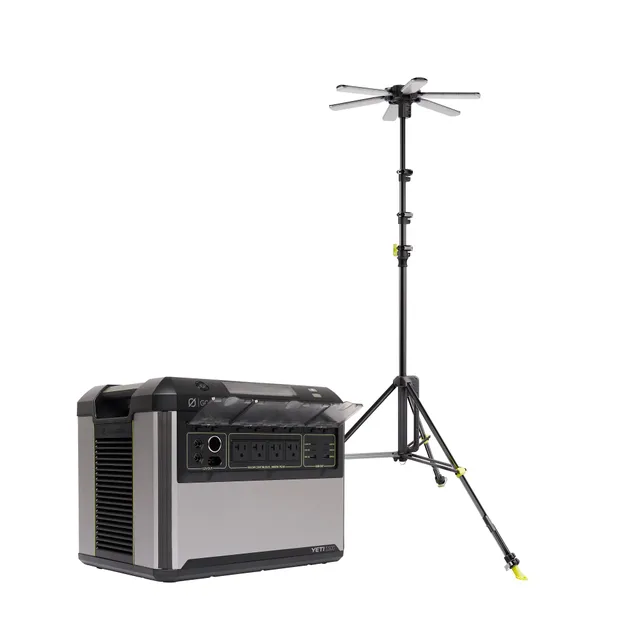
A common question is: Can a power station keep my phone charged for a week? The answer is yes, easily. But they can also do much more: a 1,000Wh station like the Yeti 1000 can power a mini-fridge for about a day, run a 40-inch TV for hours, and keep all your phones, tablets, and laptops topped up for days.
The Goal Zero Yeti 1500 + Skylight Bundle adds a 6,000-lumen LED light to the mix, making it a perfect combo for a blackout—you get power and illumination in one package.
If you want to know how long your fridge or cooler can run, check out our guide to powering an Alta 50 cooler.
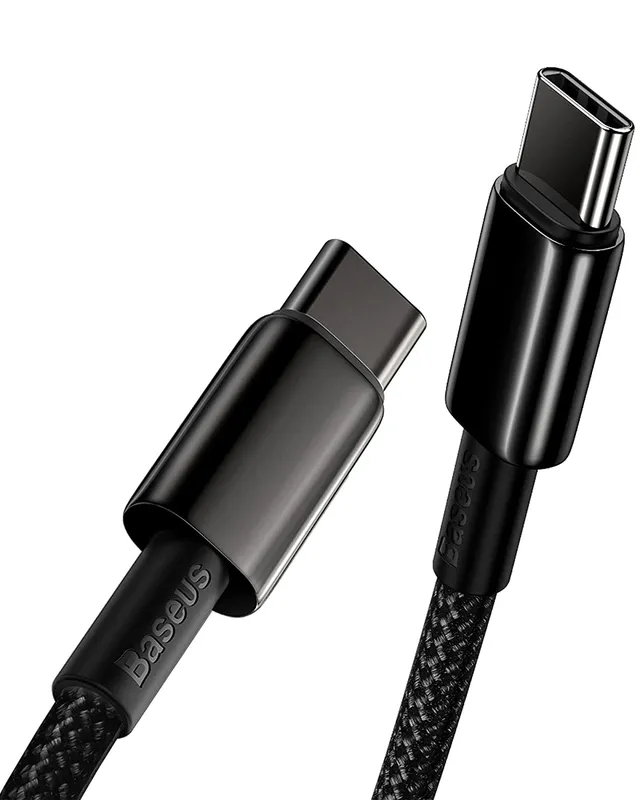
All the power in the world won't help if you can't connect your phone to the battery. During an outage, you'll want a durable cable that can handle stress, and ideally one that supports fast charging. The Baseus 100W USB-C to USB-C Cable is a braided, zinc-alloy cable that's built to last, and it supports Power Delivery 3.0 for rapid top-ups on modern phones.
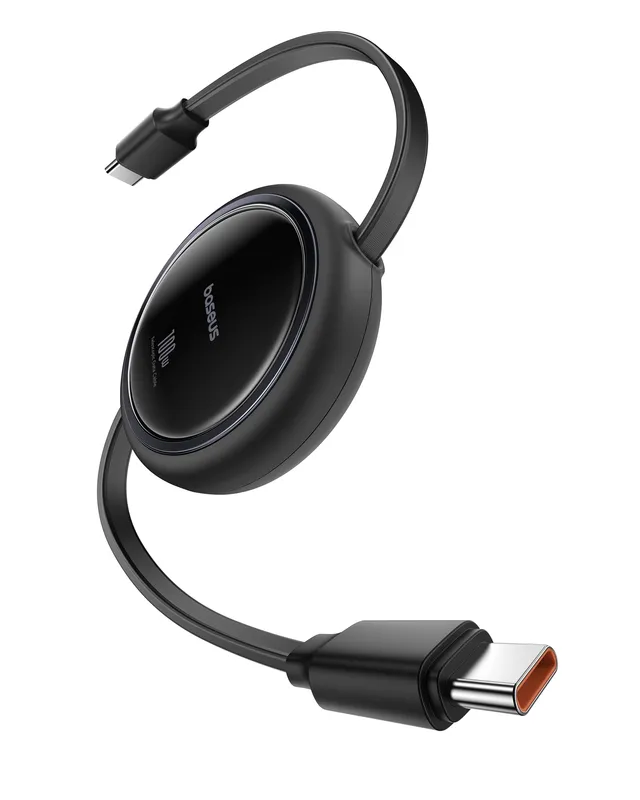
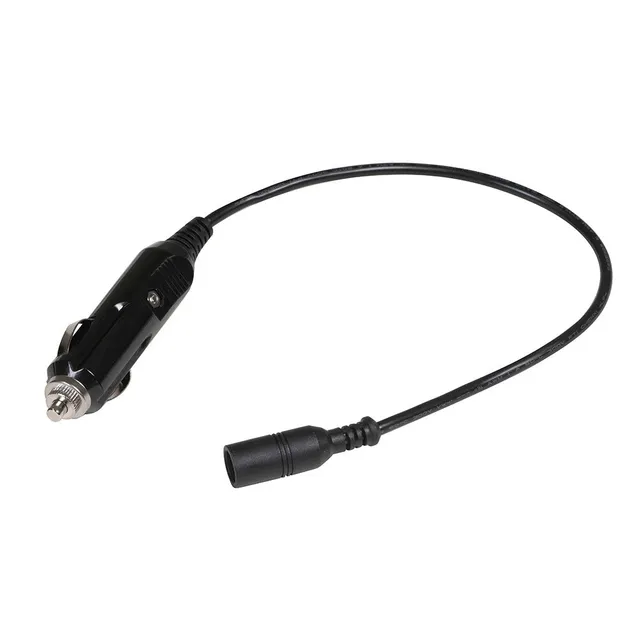
Also, consider a retractable cable like the Baseus 100W Retractable USB-C Cable—it keeps your bag tidy and prevents kinks that could cause shorts down the line. If you're using a Goal Zero power station, you might need specific adapters, like the Goal Zero 6mm Output 12V Car Adapter, which lets you charge from your car's 12V port, giving you yet another backup in a pinch.
Your phone is your lifeline in an emergency, but with a little planning, you can keep it charged no matter what. Start with a reliable power bank—it's the minimum viable insurance. If you want more peace of mind, move up to a power station that can also power other essentials. And if you want true independence from the grid, invest in a solar generator.
We've rounded up the best products on the market to save you the research. Check out our picks below and make your choice today—before the next storm hits.